
Mobility at home is no longer just a concern for hospitals or care facilities. In Singapore, it has become a forward-thinking home investment, one that protects independence, dignity, and long-term lifestyle quality. Whether you’re planning to age in place, caring for elderly parents, or adapting your home after an injury, choosing the right lift company in Singapore can make all the difference between a stressful retrofit and a seamless upgrade.
This definitive guide breaks down home mobility solutions, local regulations, lift types, installation processes, and how to choose a trusted home lift supplier in Singapore, all with real-world, Singapore-specific context. We’ll also show you why homeowners increasingly view lifts not as “medical equipment,” but as practical, future-proof features that enhance safety, comfort, and property value.
Understanding Singapore’s Need for Home Mobility
Singapore’s Ageing Population and “Ageing in Place”
Singapore is ageing rapidly. With longer life expectancy and smaller family units, more homeowners are choosing to remain in their own homes rather than relocate later in life. Government bodies like the Ministry of Health and the Agency for Integrated Care actively promote ageing in place, helping seniors live independently and safely within their communities.
In multi-storey homes, however, stairs often become the first barrier. What starts as “a bit inconvenient” can quickly become a daily risk. That’s why early mobility planning, before a crisis, matters.
Mobility Solutions Beyond Ageing: Injury, Disability, and Convenience
Home lifts aren’t only for seniors.
Many Singapore households install mobility solutions for:
- Temporary recovery after surgery or injury
- Long-term conditions such as arthritis, MS, or chronic fatigue
- Families with young children, strollers, or caregivers
- Multi-generational living where access matters for everyone
Today’s lift Singapore solutions are discreet, design-conscious, and tailored for residential use—not industrial buildings.
Navigating Singapore’s Lift Installation Regulations
Understanding Singapore’s regulatory landscape early can save homeowners months of delays, unexpected redesign costs, and approval rejections. While a professional lift contractor in Singapore should manage this on your behalf, it’s still important to understand how the system works, so you know what’s realistic, what’s required, and what questions to ask.
Singapore takes building safety seriously. Any lift installed in a residential property must comply not only with user needs but also with structural integrity, fire safety, and long-term maintenance considerations.
Lift Installation Rules for Landed Properties and Condos
Landed properties offer the highest level of flexibility, which is why many homeowners choose to future-proof early.
In most landed homes, owners can typically install:
- Small home lifts
- Platform lifts
- Wheelchair lifts
- Stairlifts (both straight and curved)
Approvals are usually more straightforward, but compliance is still required for:
- Structural safety
- Electrical works
- Lift safety standards and load ratings
Condominiums, on the other hand, sit between HDB and landed homes in terms of regulation.
Even if the lift is installed within your unit, approval from the MCST (Management Corporation Strata Title) may be required if:
- Works affect common property
- Structural elements are involved
- Noise, vibration, or access could impact neighbours
A knowledgeable Singaporean lift company will advise whether MCST approval is needed and help prepare the necessary documentation.
Choosing the Right Lift for Your Singapore Home
There is no “one-size-fits-all” solution. The right lift depends on layout, users, and long-term plans.
Stairlifts
Stairlifts are mounted directly onto the staircase and are often the fastest solution for vertical mobility.
Best for:
- Homes with limited space
- Seniors who can still transfer to a seat
- Temporary or permanent mobility challenges
Available in straight and curved configurations, stairlifts are minimally invasive and cost-effective.
Learn more about options on our Stair Lifts here.
Platform Lifts
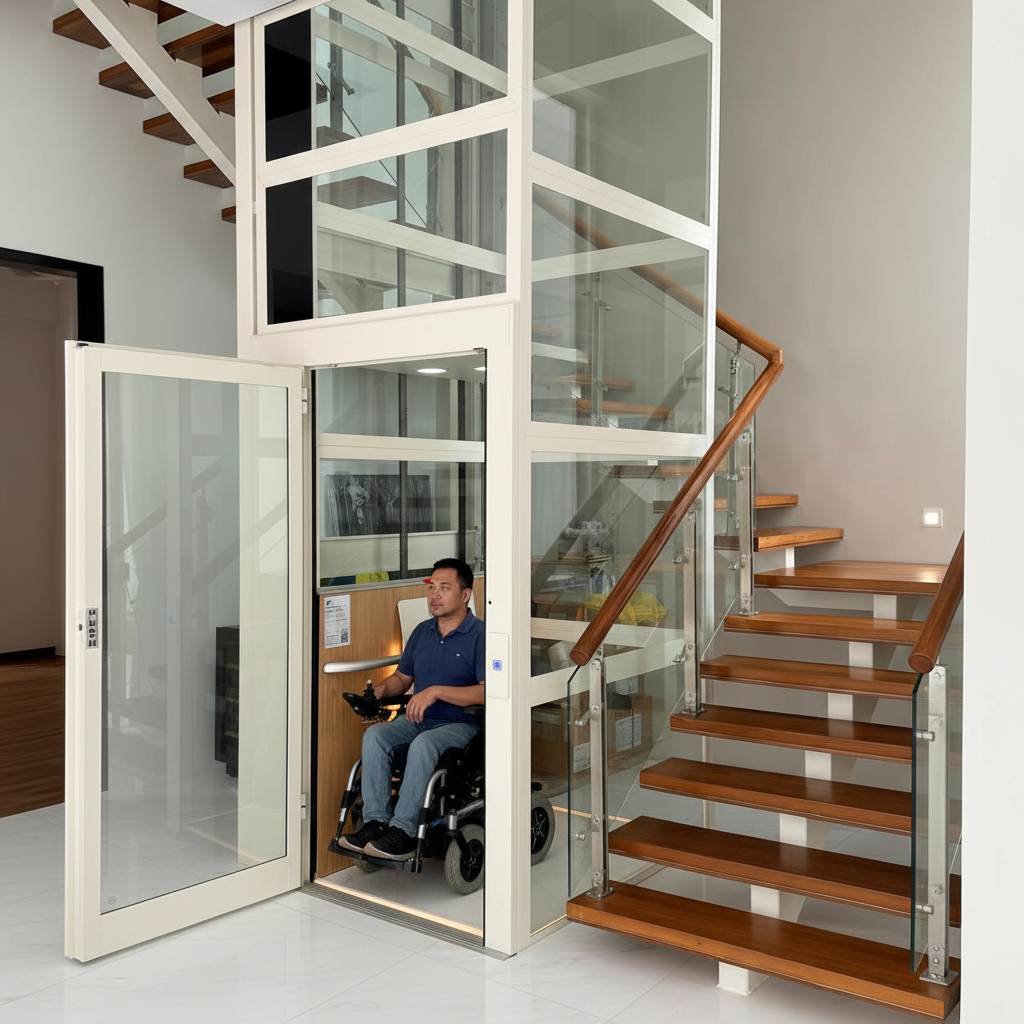
Platform lifts are open or enclosed lifts designed to carry both people and wheelchairs.
Best for:
- Wheelchair users
- Multi-generational households
- Long-term ageing-in-place planning
They require more space than stairlifts but offer greater flexibility and dignity.
Explore detailed solutions on our Platform Lift here..
The Lift Installation Process: What to Expect in Singapore
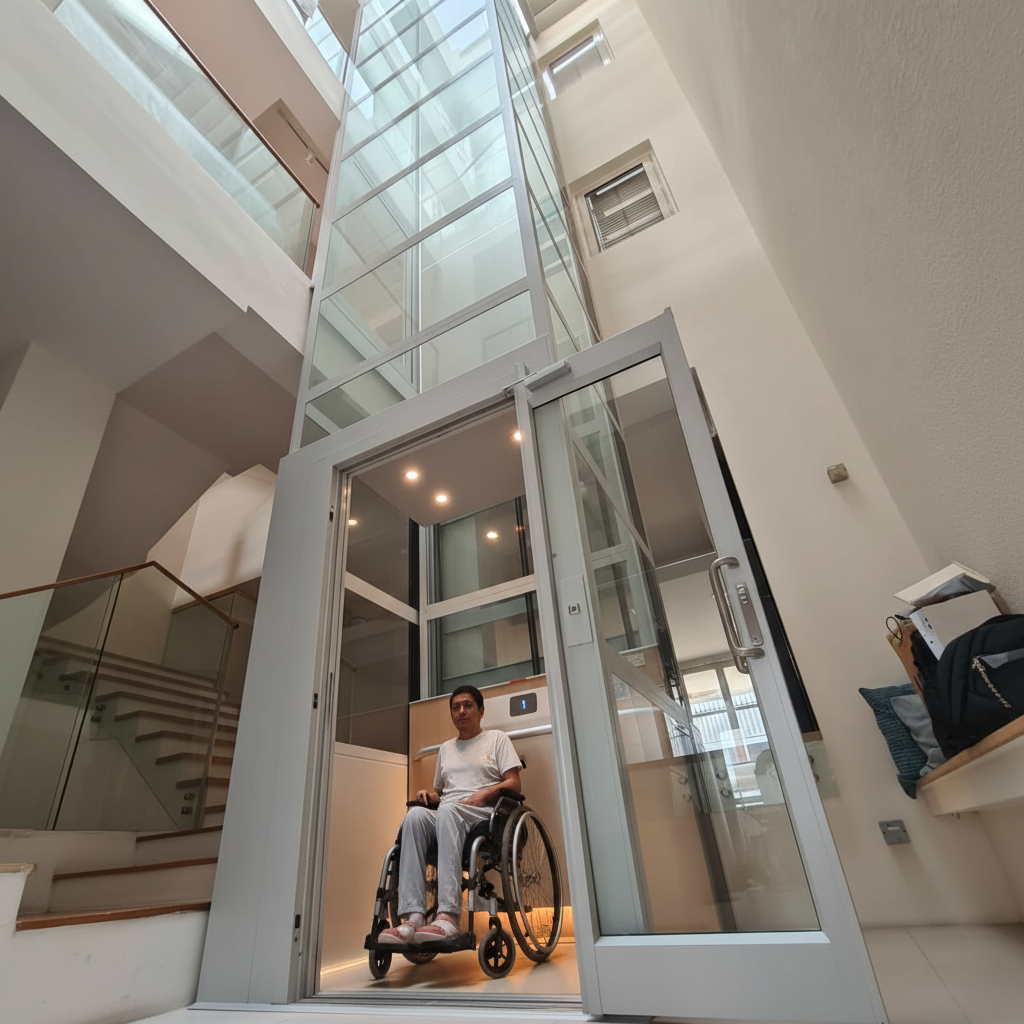
Installing a home lift is a significant decision, financially, structurally, and emotionally. Understanding the full process upfront helps homeowners feel confident, avoid surprises, and plan realistically around timelines and costs. A professional lift company in Singapore will guide you step by step, ensuring clarity from the first visit to long after handover.
Step 1: Initial Site Assessment and Consultation
This is the foundation of a successful installation.
A qualified lift supplier in Singapore will begin with an on-site assessment to understand both the home and the people who live in it. This typically includes:
- Evaluating available space and structure
Measurements of floor-to-floor height, load-bearing capacity, stair geometry, and potential lift locations are taken to determine what is technically feasible. - Understanding user needs—now and in the future
Who will be using the lift? Is it for temporary recovery, long-term ageing in place, or full wheelchair access? A good consultant plans not just for today, but for how needs may evolve over the next 10–20 years. - Recommending suitable lift types
Based on space, budget, and usage, the contractor will advise whether a stairlift, platform lift, wheelchair lift, or small home lift is most appropriate. - Flagging regulatory considerations early
Potential approval requirements ( BCA or MCST) are identified upfront to avoid redesigns or rejected submissions later.
Importantly, this stage should feel consultative—not sales-driven. If you feel pressured to “decide quickly” before proper assessment, that’s a warning sign.
Step 2: Design, Quotation, and Securing Approvals
Once feasibility is confirmed, the project moves into formal planning.
At this stage, you can expect:
- Customised design and technical specifications
These include lift dimensions, travel height, load rating, safety features, and integration with your home’s layout. - A transparent quotation
A professional Singapore lift company will clearly itemise:- Lift equipment
- Installation works
- Electrical or structural works (if any)
- Approval and submission fees
- Vague or overly simplified pricing often leads to hidden costs later.
- Submission to relevant authorities
The contractor prepares and submits technical drawings and documents required by BCA, or MCST, and responds to any clarification requests.
Clear paperwork, realistic timelines, and proactive communication at this stage are strong indicators of an experienced and reliable provider.
Step 3: Professional Installation and Final Handover
Once approvals are secured, installation can begin.
Installation timelines vary by lift type:
- Stairlifts: typically completed within a few days
- Platform lifts may take several weeks, depending on complexity
During and after installation, a reputable lift installation Singapore provider will ensure:
- Safety testing and commissioning
The lift is tested under load and normal operation to ensure compliance with safety standards. - User training
Homeowners and caregivers are shown how to operate the lift safely, including emergency procedures. - Maintenance briefing
You’ll be advised on servicing intervals, basic checks, and who to contact for support. - Warranty and documentation handover
This includes warranty terms, service agreements, and compliance records—important for long-term peace of mind.
A proper handover doesn’t end when the lift starts moving. It ensures you feel confident using and maintaining the system well into the future.
When done right, lift installation in Singapore is a structured, well-managed process—not a disruptive renovation. Choosing the right partner ensures a smooth, compliant journey and ultimately rewards you.
5 Key Questions to Ask Your Lift Contractor in Singapore
Choosing the right partner matters as much as choosing the lift.
Are You a BCA-Approved Lift Company?
Approval ensures compliance, safety, and accountability. A legitimate lift company in Singapore will be transparent about certifications.
Can You Provide Local References or Case Studies?
Local experience matters. Singapore homes are unique in layout, regulation, and expectations.
What Is Covered Under the Installation Warranty?
Ask about:
- Equipment warranty
- Installation workmanship
- Maintenance options
A reliable home lift supplier in Singapore stands behind their work.
Do You Handle Approvals and Liaisons?
You shouldn’t be navigating authorities alone. End-to-end service reduces stress and errors.
What Happens If My Needs Change Later?
Good mobility planning accounts for future changes, not just today’s limitations.
Frequently Asked Questions About Home Lifts in Singapore
Can I install a lift in my HDB flat?
In some cases, yes, but approvals and lift-type restrictions apply.
How much does a home lift cost in Singapore?
Costs vary widely based on type, size, and installation complexity.
Do I need BCA approval for home lift installation?
Most permanent lifts require compliance with BCA guidelines.
What’s the difference between a stairlift and a platform lift?
Stairlifts carry seated users; platform lifts can carry wheelchairs and standing users.
How long does lift installation take?
From a few days to several weeks, depending on the solution.
Are home lifts covered by CPF or government grants?
Some assistance schemes may apply—eligibility varies.
What maintenance is required?
Regular servicing ensures safety and longevity.
Can a lift be installed without major renovation?
Many modern lifts are designed for minimal structural impact.
Conclusion: Choosing the Right Lift Company in Singapore
Home mobility isn’t about reacting to a problem—it’s about protecting your future.
The right lift contractor Singapore will:
- Understand local regulations
- Respect your home and lifestyle
- Offer solutions that grow with your needs
- Provide long-term support, not just installation
At Tai Hee, we believe mobility planning should feel empowering—not overwhelming.
Visit our homepage to explore solutions, or speak with our team for a personalised consultation. The right time to plan for accessibility is before you need it.